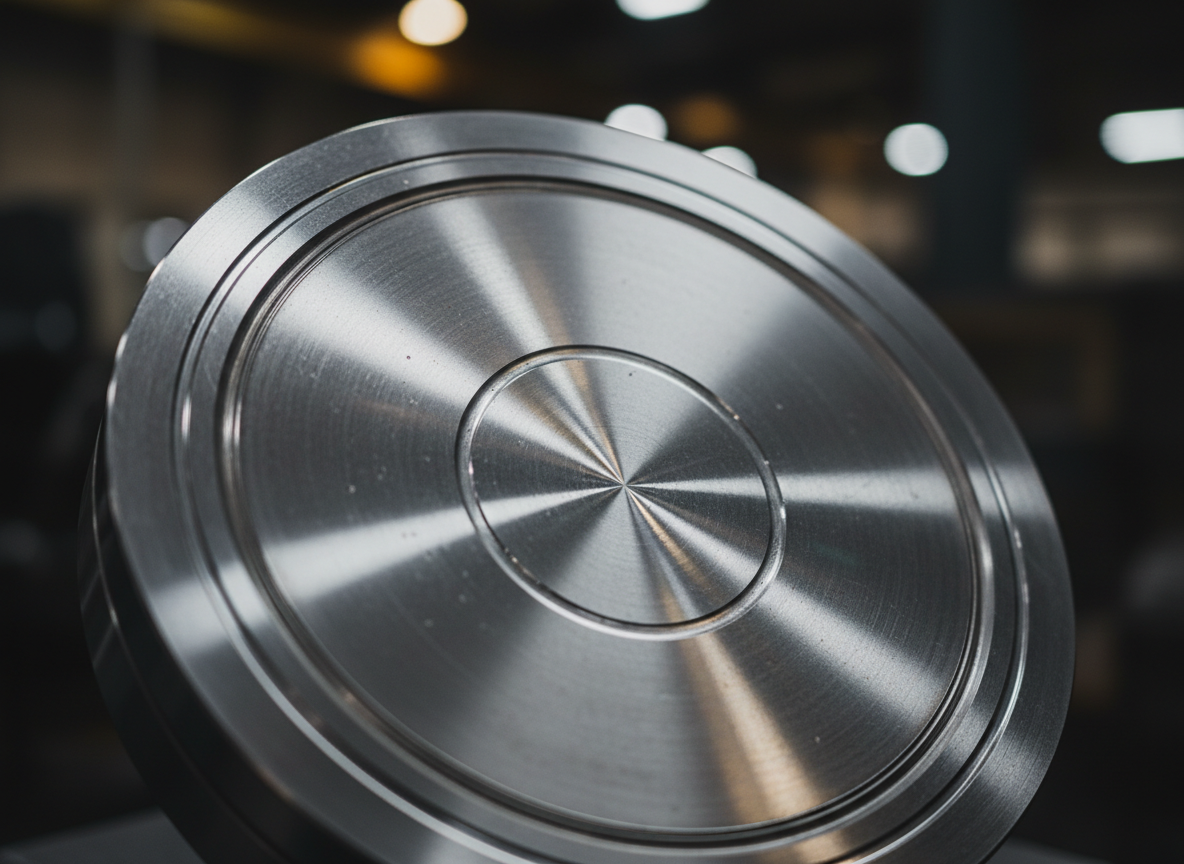
Every machined surface has texture. Even a "smooth" part has microscopic peaks and valleys left by the cutting tool. Surface finish is how we measure and specify that texture — and getting it right matters for sealing, wear, appearance, and function.
What Ra Means
Ra stands for "Roughness Average" — the arithmetic mean of the surface deviations from the centerline, measured in microinches (µin) or micrometers (µm). Lower Ra = smoother surface.
Common Ra Values in Practice
What Affects Surface Finish
Four things control what finish you'll get off the machine:
- ▸ Feed rate — slower feeds = smoother finish, but longer cycle time
- ▸ Tool geometry — larger nose radius on inserts produces smoother cuts
- ▸ Material — aluminum finishes beautifully; stainless can be tricky
- ▸ Rigidity — vibration (chatter) destroys surface finish instantly
The Cost Curve
Going from 125 Ra to 63 Ra is almost free — it's just a matter of a finish pass with the right parameters. Going from 63 to 32 adds meaningful time. Going below 32 usually means a secondary operation: grinding, lapping, or polishing. That's where cost jumps significantly.
Practical Advice
If your drawing doesn't call out a surface finish, most shops will deliver 63-125 Ra as standard. That's fine for 90% of applications. Only specify tighter finishes on surfaces that seal, bear loads, or need to look cosmetically perfect.
And remember: surface finish is not the same as appearance. A 32 Ra surface in aluminum looks different from 32 Ra in stainless. If appearance matters, send a sample or reference photo — it communicates more than a number ever will.